
So, I was just messing around with my Solana staking setup the other day, and wow—there’s a lot going on beneath the surface that most folks don’t talk about. Seriously? You’d think plugging in a wallet and picking a validator was just clicking a button. Nope. It’s way deeper than that. Something felt off about the usual advice I’d been following, especially when it comes to security and yield optimization.
At first glance, staking on Solana looks straightforward. You pick a validator, delegate your tokens, and watch your rewards roll in. But here’s the thing: the hardware wallet you use, the validator you trust, and how you approach yield farming all intertwine in ways that can make or break your experience. Trust me, I’ve been down the rabbit hole a few times—some wins, some lessons learned.
First, if you’re still relying on software wallets alone, well, you’re exposing yourself to risks I wouldn’t touch with a ten-foot pole. Yeah, it’s convenient, but convenience often comes at a price. Hardware wallets add a layer of protection that’s very very important, especially when you’re locking up assets for staking or farming. They keep your private keys offline, which is basically the holy grail of crypto security.
Okay, so check this out—there’s this wallet extension I stumbled upon that plays really well with Solana’s ecosystem. You can find it here. It’s called Solflare, and honestly, it’s one of those tools that just clicks once you get the hang of it. The integration with hardware wallets makes staking feel a lot safer, but there’s a catch: you’ve gotta be picky about which validators you delegate to.
Choosing a validator isn’t just about the highest yields. On one hand, you want to maximize your returns, but on the other, the validator’s reliability and security matter just as much. Initially, I thought, “Well, just pick the top-ranked one and call it a day.” Actually, wait—let me rephrase that. That approach kinda backfired when I encountered validators with occasional downtimes or questionable reputations. So yeah, digging into validator history, their commission fees, and how decentralization-friendly they are is super crucial.
Now, here’s where it gets more interesting. Yield farming on Solana isn’t just about passive staking anymore. There are complex DeFi protocols that let you amplify your returns, but they require juggling multiple wallets, smart contracts, and sometimes… sketchy interfaces. My instinct said, “Be careful,” because these setups can be ripe for exploits if you’re not using a hardware wallet that offers seamless integration and solid security assurances.
Honestly, what bugs me about some guides is how they gloss over the nitty-gritty of validator vetting and hardware wallet pairing. They say, “Just stake and farm,” but it’s not that simple. You’re trusting a third party with your tokens, and if their node goes offline or gets compromised, your rewards plummet—sometimes your stake is at risk. There’s a lot of nuance in balancing risk and reward here, and it’s easy to miss if you’re just skimming through tutorials.
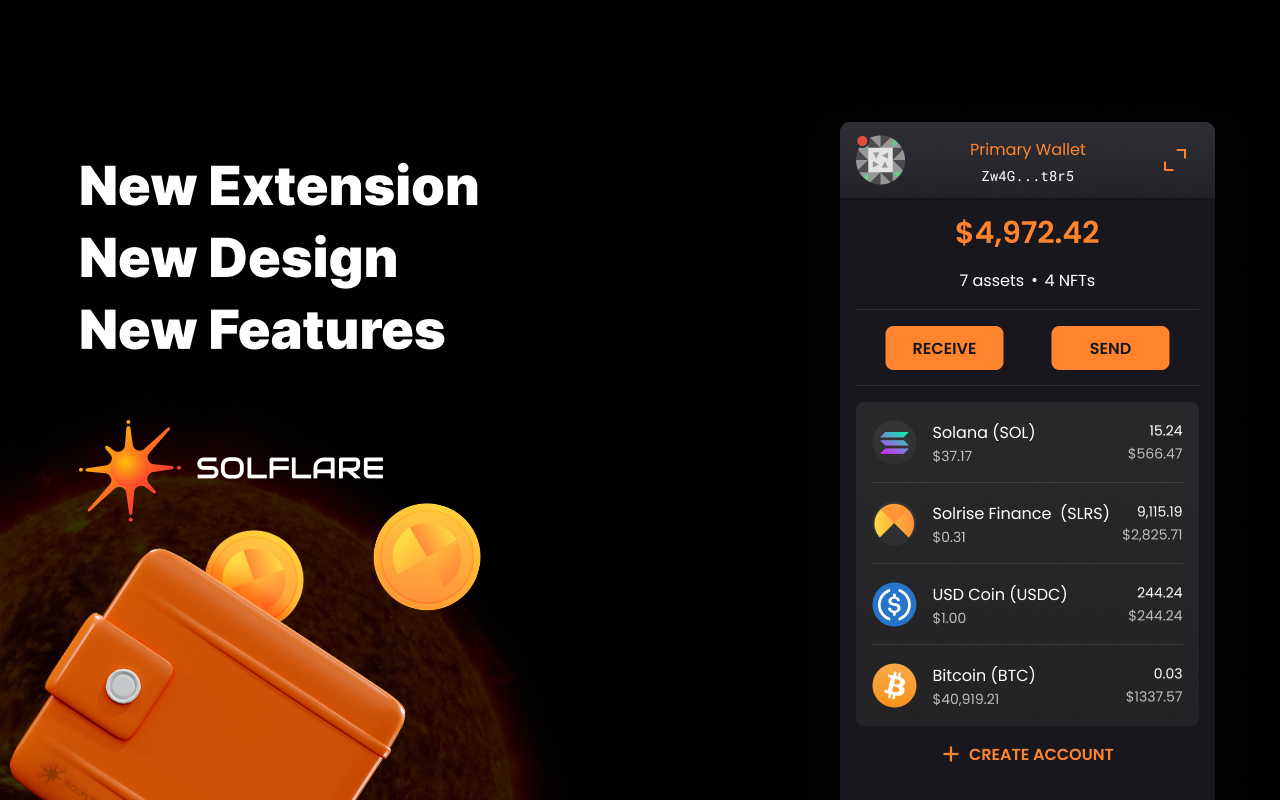
One thing I’ve learned is that using a hardware wallet with a trusted extension like Solflare creates a smoother experience. You can confidently select validators while keeping your private keys offline. Plus, this wallet-extension combo makes it easier to participate in DeFi activities on Solana without constantly worrying about phishing or malware attacks. Plus, the UI isn’t overly complicated—which is a breath of fresh air for someone who’s not a developer.
Oh, and by the way, something else caught my attention: not all validators support the same features for yield farming or DeFi integration. Some have better uptime, some offer lower commission rates, and a few even provide community rewards beyond just staking payouts. So, if you’re diving into yield farming seriously, you gotta keep your ear to the ground about validator innovations and ecosystem shifts. It’s not static, and your strategy should reflect that.
Here’s a quick tip from my experience: don’t just chase the highest APR. Look at validator reliability metrics, community feedback (Reddit threads are gold), and whether they’re actively participating in governance or ecosystem growth. This impacts the long-term health of your stake and the network itself. I’m biased, but I think validators who contribute to Solana’s decentralization are more trustworthy over time.
Hardware Wallets: Not Just a Security Layer, But a Trust Anchor
Let me get a bit personal here. I used to underestimate how critical hardware wallets were until I saw a close friend lose access to their funds through a compromised software wallet. It was a harsh wake-up call. Since then, I’ve made it a rule: if I’m staking or farming, my private keys never touch an internet-connected device. That means using hardware wallets paired with extensions like Solflare—that link I shared earlier is a good place to start.
Why? Because hardware wallets handle transaction signing offline. This means even if your computer is acting shady, keyloggers or malware can’t steal your keys. This offline signing is especially important when approving staking delegations or yield farming contracts, which can sometimes require multiple signatures or confirmations.
One thing that’s tricky, though, is the user experience. Hardware wallets add a layer that can feel clunky at times—waiting for confirmations, plugging and unplugging devices, etc. But the trade-off is worth it. I’m not 100% sure if all users will appreciate this, but if you’re serious about protecting your crypto stash, it’s a small inconvenience for massive peace of mind.
Also, some hardware wallets support Solana natively, but the wallet extension you use bridges the gap between your device and the blockchain. Solflare’s extension is solid in this regard because it handles signing requests neatly and supports staking flows without glitching. If you try other extensions or wallets, you might run into compatibility issues or confusing UI—which can lead to mistakes. And hey, in crypto, mistakes are expensive.
So yeah, pairing a hardware wallet with a trusted wallet extension creates a security fortress—but you gotta put some effort into learning the ropes. No magic buttons or simple hacks here. It’s a tech dance, and you have to keep up.
Validator Selection: More Than Just Numbers
Here’s another thing that’s not talked about enough: validator selection impacts not only your yield but also the network’s health. Validators with low uptime jeopardize your rewards, and those with high commissions eat into your profits. But beyond that, some validators participate in network governance, security audits, or community initiatives, which indirectly benefits everyone.
My first instinct was to jump on validators promising 10%+ APRs. But after watching some community debates and downtime reports, I realized that chasing the highest number alone is like betting on a horse without checking its health. On one hand, you want to maximize returns; on the other, you risk losing out to penalties or network slashing events.
Interestingly, validators that offer slightly lower commissions but better reliability often outperform the flashy high-return ones over time. I’m still figuring out the best way to balance these factors, but digging into validator dashboards and community forums helps.
Also, some validators offer extra incentives like liquidity mining rewards or governance tokens. This adds complexity but can boost your overall yield if you’re ready to engage with DeFi protocols. But—and this is a big but—you gotta be careful about how you stake your tokens because locking assets in multi-step farming contracts without solid hardware wallet protection can be a nightmare.
Yield Farming: The Double-Edged Sword
Yield farming on Solana can be a wild ride. There are tons of platforms promising crazy returns, but many come with hidden risks or require complex setups. I’ve played with a few, and honestly, the learning curve is steep. You have to juggle staking, liquidity provision, and sometimes borrowing/lending, all while keeping your assets secure.
Here’s what I noticed: without a hardware wallet and a reliable wallet extension, yield farming can expose you to phishing, contract bugs, or even outright scams. This is why I always pair yield farming strategies with strong security practices. The Solflare wallet extension I mentioned earlier makes this easier because it supports hardware wallet integration and lets you monitor your farming positions without exposing keys.
There’s definitely an art to juggling yield farming opportunities without overextending yourself. I’ve seen folks get so sucked into chasing every new farming pool that they forget basic security hygiene. And it’s not just about security—some farms have complex lock-up periods or impermanent loss risks that can wipe out gains.
Oh, and here’s a pro tip: keep an eye on validator reputations when you’re yield farming on Solana. Some DeFi protocols actually route your staking through validators behind the scenes. If those validators go offline or act maliciously, your yields are affected. It’s like a hidden dependency that a lot of people overlook.
At the end of the day, combining hardware wallets, smart validator choices, and cautious yield farming strategies is what separates the pros from the weekend dabblers. There’s no magic bullet, but with a bit of patience and the right tools, you can build a pretty resilient Solana staking and farming setup.
And hey, if you want a good starting point to get that hardware wallet integration right, I recommend checking out the Solflare wallet extension here. It’s not perfect, but it’s one of the better options out there for securing your keys while diving into Solana’s DeFi world.
FAQs on Hardware Wallets, Validators, and Yield Farming on Solana
Why should I use a hardware wallet for Solana staking?
Hardware wallets keep your private keys offline, which significantly reduces the risk of hacks or malware stealing your assets. Even if your computer is compromised, your keys remain safe during transaction signing.
How do I pick a good validator?
Look beyond just the APR. Check validator uptime, commission fees, reputation in the community, and whether they contribute to network decentralization and governance. Reliable validators with moderate fees usually pay off better over time.
Is yield farming on Solana safe?
Yield farming can be profitable but carries risks like impermanent loss, contract vulnerabilities, and scams. Using a hardware wallet and trusted wallet extensions reduces security risks, but always research farming platforms thoroughly before committing funds.