
Whoa. Okay—quick confession: I used to roll my eyes at exchange verification forms. Really. But after losing an afternoon (and a mild amount of patience) trying to get a colleague fully set up on OKX, something felt off about the whole flow. My instinct said the UX could be smoother, though actually, wait—it’s not just UX. There are policy layers, compliance quirks, and product decisions that all collide. Here’s what I learned, what bugs me, and most importantly, how you — a US-based trader — can get into OKX futures and keep things tidy without losing your mind.
First impressions: OKX looks slick. The dashboard is modern, and futures products are competitive. Hmm… but then you hit verification. On one hand it’s good—KYC reduces risk—though actually on the other hand it can stall a trade setup when you just want to hedge a position. Something I noticed right away was inconsistent messaging during verification. One screen asks for a selfie, the next wants proof of address, then suddenly you’re redirected to a different flow. That’s annoyingly common across exchanges, but it’s worth calling out because futures demand speed.
So here’s the practical roadmap I use with traders: finish verification before you fund for futures. Seriously? Yes. It sounds obvious, but lots of folks fund first and assume verification is optional. That gambit backfires fast when a withdrawal or margin call happens. My rule: complete identity verification and set up 2FA before any leverage trades. There’s nuance though—I’ll walk through it. Initially I thought basic verification would be fine, but then realized OKX differentiates levels (basic vs enhanced) and your futures limits hinge on it.
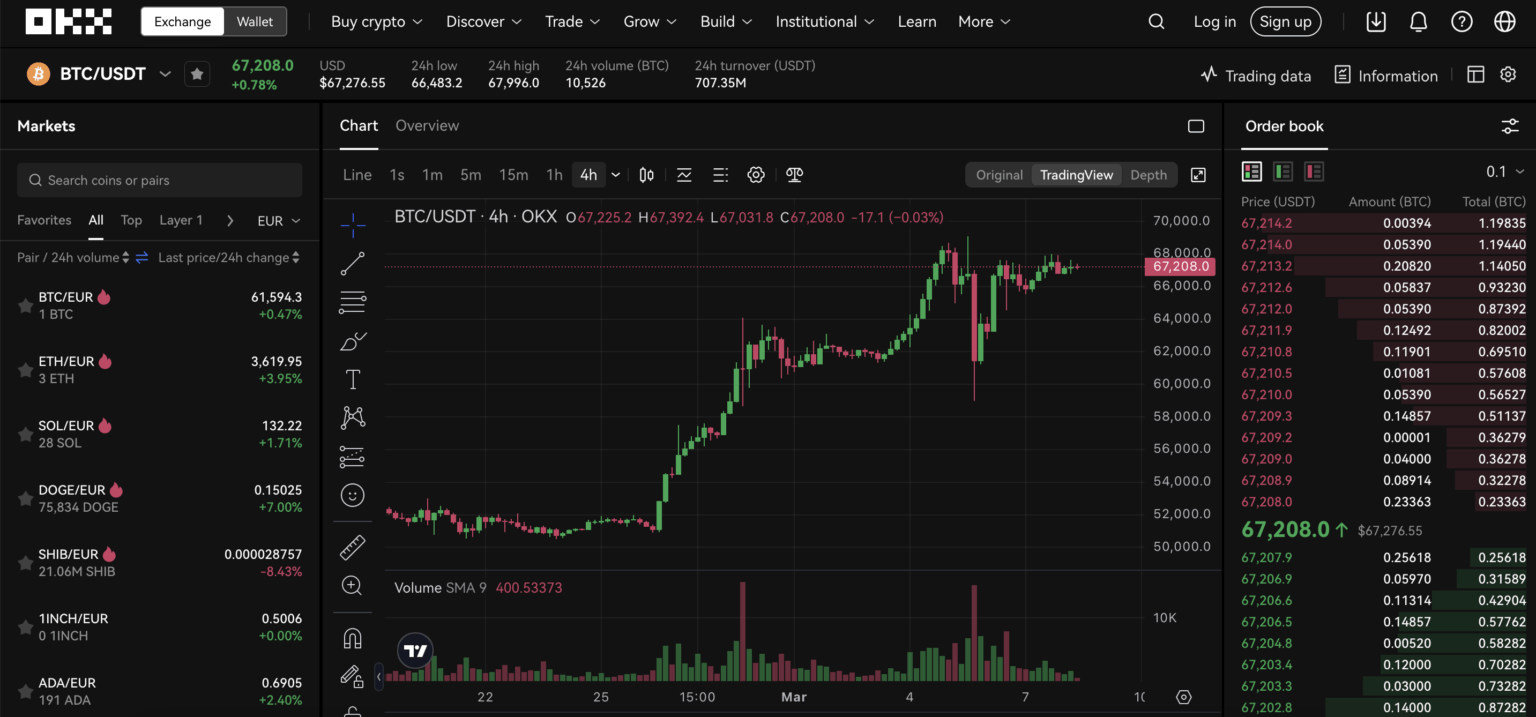
OKX Verification — the practical steps (so you don’t miss small, costly bits)
Here’s the thing. Verification is less about proving you exist and more about unlocking functionality. Medium-level verification typically enables larger deposits, higher leverage, and derivatives access. Start with a clear photo ID, then add a recent utility bill or bank statement for address verification. Oh, and by the way… have your phone ready for SMS 2FA. If you prefer a hardware or app-based authenticator, great—use it. I link my recommended walkthrough here because it saved my colleague from a weird redirect loop.
Working through contradictions: on one hand, the KYC screens can feel invasive; on the other, they protect you from shady leverage providers and exit scamming platforms. So, be proactive. Upload high-quality images, follow prompts strictly, and if your selfie fails, try a different lighting condition—natural light helps. Also, name formats matter: if your ID uses a middle name, include it. Small mismatch = hold-up. Not fun, but fixable.
Short tip: use a desktop for verification. Mobile browsers sometimes crop images or time out during uploads. Seriously, a desktop reduces friction. My friend learned this the hard way—twice. He lost a morning of trading because of two separate failed uploads. Learn from him.
OKX Futures — what traders need to know (and what exchanges rarely shout about)
Futures trading is fantastic for hedging and speculative strategies, but it’s not a hobby. Leverage amplifies both gains and losses. Something I always remind people: pick your margin mode before placing trades. Cross margin can save you in small swings but risks your entire balance; isolated margin limits exposure to a single position. My bias is toward isolated for new positions—I’m conservative when leverage is involved.
Execution nuance: OKX’s order types support market, limit, post-only, and conditional orders. Conditional orders are powerful for stop-losses and take-profits, though they can be confusing. At times the conditional trigger shows as “click to confirm”—don’t skip reading the tiny text. Also, check your maintenance margin levels; liquidation engines vary slightly by exchange. I once saw a position liquidate faster than expected because the maintenance margin threshold was tighter than I assumed—learn those numbers.
Fee structure matters. Maker/taker fees, funding rates on perpetuals, and settlement timing can all affect strategy returns. Perpetual funding is charged periodically; when rates spike, holding a position overnight becomes expensive. Keep an eye on the funding history and projected rate. Honestly, that part bugs me because it sneaks up on you if you forget.
US-based concerns: regulation and access
Right—this is a big one. US traders face special considerations. Some services are restricted, and OKX’s product availability can change based on regulatory pressure. If you’re in the US, verify whether specific derivatives markets are available to your state. It’s messy. I’m not 100% sure on every state’s nuance (laws shift), but the practical step is this: check account notifications and support announcements before you shift large sums.
Also: tax reporting. Futures trading generates taxable events. Keep detailed records—entry/exit price, fees, funding paid/received. The devil’s in the details, and sadly, exchanges won’t do your taxes for you. On the bright side, OKX provides trade history exports; use them. My suggestion: nightly export if you had an active day. It takes five minutes and can save headaches come April.
Common hiccups and fixes — quick troubleshooting
Verification pending forever? Try clearing cache or using a different device. If identity verification repeatedly fails, contact support with a clear subject line and include your user ID and timestamped screenshots. Wait—support response times vary; escalation sometimes requires being persistent. That’s reality. I’m biased toward live chat when money’s on the line.
Locked futures account after a margin call? Contact support immediately and submit an appeal with trade logs. Be factual, concise, and include evidence. Emotions won’t speed the process, though they might make you feel better for a minute. Also, consider enabling withdrawal whitelist and strong 2FA to prevent unauthorized transfers. This is low effort, high payoff.
FAQ
Do I need enhanced verification for OKX futures?
Usually yes for higher leverage and larger limits. Basic verification may allow small trades, but enhanced KYC unlocks full derivatives access. My rule: get the enhanced verification if you plan to trade futures seriously.
What’s the safest margin mode for beginners?
Isolated margin. It contains losses to the position and prevents wiping your entire account if one trade goes sideways. Cross margin has its place, but it’s riskier for newcomers.
How do funding rates affect my P&L?
Funding rates are periodic payments between longs and shorts on perpetual contracts. If you hold a position through a funding interval and the rate favors the other side, you’ll pay. Track projected rates and factor them into overnight or multi-day strategies.
Why did my verification take so long?
Delays happen due to document quality, name mismatches, or increased support volume. Use high-res photos, match name formatting, and check email for additional requests. If it’s stuck beyond reasonable time, escalate with support and include screenshots—be patient but persistent.
Alright. To wrap up—well, not a neat conclusion, because I don’t do neat conclusions—here’s the core: complete verification first, use isolated margin until you’re confident, and keep tight risk controls on futures. There’s nuance in every step, and you’ll learn by doing (and sometimes by screwing up a bit). I’m not preaching perfection—just sharing the mistakes I’ve seen (and made). If you want the step-by-step link that helped my colleague dodge a weird redirect, it’s right there here. Try it, and keep your stop losses sensible.