
The Thrill of the Game: Understanding Casino Psychology
The psychology behind casino games is a fascinating area of study, offering insights into why players are drawn to gambling environments. The allure of risk and reward stimulates the brain’s pleasure centers. When players engage in games of chance, they experience an adrenaline rush that can be addictive. This thrill contributes to what is often termed ‘the gamble’—the psychological push that keeps players coming back for more, even when the odds are not in their favor, making the choice of a good crypto casino essential for maximizing enjoyment.
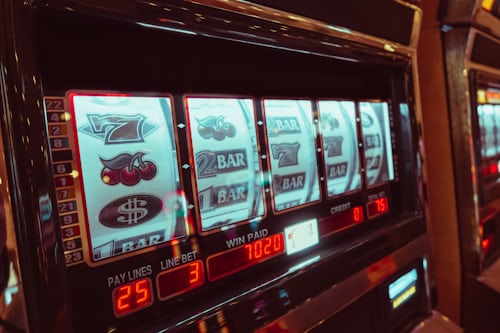
Moreover, the sensory stimuli within casinos—flashing lights, engaging sounds, and the buzz of excitement—create an immersive experience that heightens emotional responses. Players often find themselves in a state of flow, where time becomes distorted and their focus narrows on the game. This state of heightened engagement can lead to an increased willingness to take risks, ultimately impacting their gaming decisions.
The Role of Cognitive Biases in Gambling Decisions
Cognitive biases play a significant role in how players perceive their chances of winning. One prominent example is the ‘gambler’s fallacy,’ the belief that past outcomes influence future probabilities. This can lead players to chase losses, thinking that they are ‘due’ for a win after a series of defeats. Such misconceptions can be detrimental, as they may prompt players to wager more than they should, increasing the risk of significant losses.
Another common bias is the ‘illusion of control,’ where players believe they have the ability to influence the outcome of a game, such as by choosing specific numbers in roulette or selecting certain cards in blackjack. This false sense of control can encourage players to engage with games more frequently, often leading to larger bets and impulsive decisions based on their perceived luck.
The Impact of Emotions on Gambling Behavior
Emotions significantly influence gambling behavior, affecting decision-making processes in various ways. When players are in a positive emotional state, they may be more inclined to take risks, convinced that their good vibes will translate into success. Conversely, negative emotions such as frustration or desperation can lead to poor choices, where individuals may gamble recklessly in an attempt to recoup losses.
Additionally, emotional responses can be triggered by the outcomes of games. Winning often leads to a euphoric feeling, reinforcing a player’s desire to continue gambling. In contrast, losing can provoke anxiety or sadness, causing some players to retreat from the gaming floor, while others may seek solace in additional bets, further entrenching their emotional roller coaster.
The Social Dynamics of Casino Gaming
Casinos are inherently social environments, and the interaction between players can significantly influence gambling behavior. The presence of fellow players can create a shared experience, enhancing the enjoyment of the game. Social influences can reinforce decision-making, as players might adopt behaviors or strategies observed in others around them, leading to a communal approach to risk-taking.
Moreover, the concept of ‘social proof’ can come into play, where witnessing others win can create a belief in the legitimacy of the game and encourage more significant participation. First-time players might feel more confident in their choices after observing seasoned gamblers, which can impact their betting strategies and overall engagement with the casino experience.

Choosing the Right Gaming Platform: The Role of Online Casinos
In the digital age, the rise of online casinos has transformed the gambling landscape. These platforms provide players with unique opportunities to explore games from the comfort of their homes while benefiting from enticing bonuses and promotions. The psychological allure of online gaming involves not only the thrill of the game itself but also the convenience and accessibility that modern technology offers.
Many online casinos also cater to the psychological aspects of gambling by creating immersive environments with lifelike graphics and live dealer options. This virtual experience, combined with elements of gamification such as leaderboards and rewards, can enhance the engagement factor, drawing players into an enticing world of chance and strategy.